|
Electric vehicles have an important role to play in meeting air quality legislation and the UK's commitment to climate change targets. For these reason, the UK goverment is actively supporting the switch to electric vehicles.
Desigh and Specification
Electric vehicle supply equipment (EVSE) is a key component in the roll-out of charging infrastructure for EVs using a conductive or wireless charging solution.
Most EVs can charge from a conventional three-pin socket using the Mode 2 charging equipment often supplied with the vehicle. Increasingly, more sophisticated and digitally-managed EVSE is being deployed in the residential, business and public infrastructure context, providing charging management capabilities such as access control, configurable charging power and accountability for charging events.
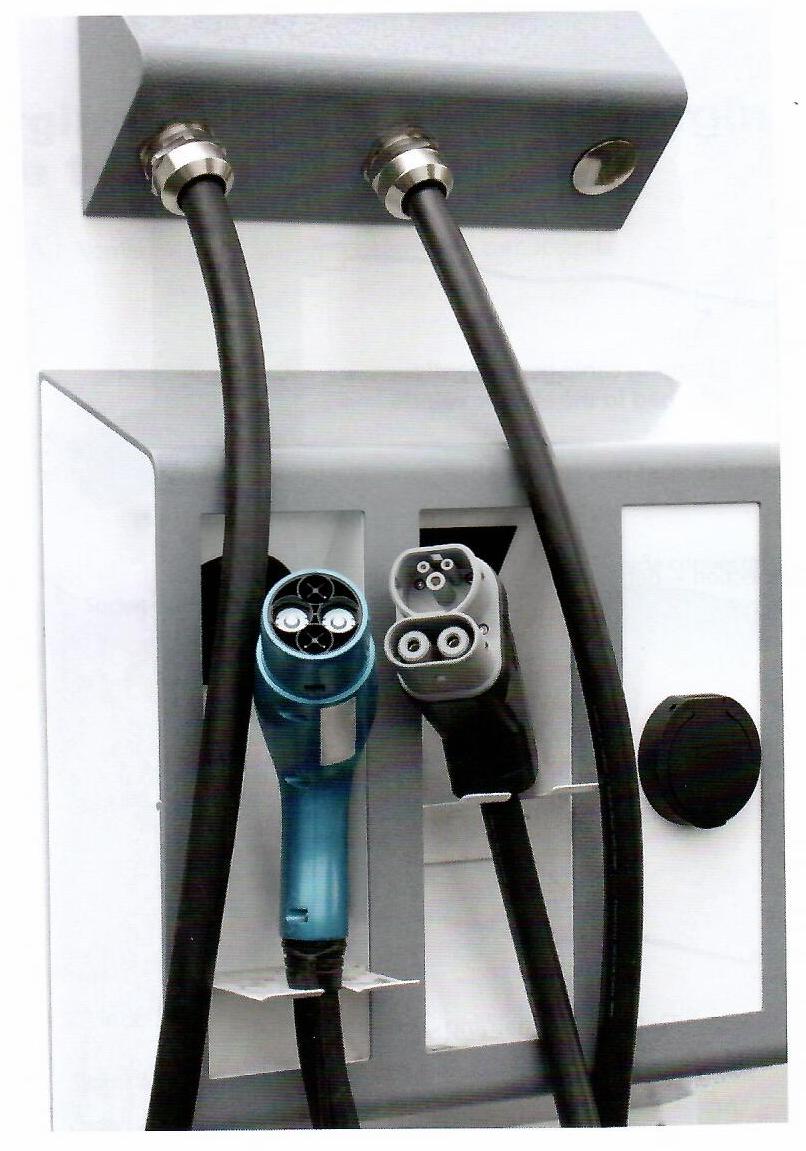
EVSE for conductive charging solutions supports two principal charging options:
AC supply for the on-board vehicle charger; and
EVSE charger for DC supply to the vehicle battery.
In addition to types of EV charging equipment futher variations in the design and specification of such equipment can be found ( see installation/operational instructions supplied with the charging equipment being installed).
- It is important to check that the electrical installation has the appropriate supply arrangment for the EVSE. Some EV charging equipment is designed to operate from a single-phase AC power supply, whereas other EV charging equipment may require a three-phase AC power supply.
- Does the EV charging equipment meet the needs of the vehicles that will use it? Some types of EV charging equipment provide multiple socket-outlets.
- Tariff metering must be provided where use of the charging point is billed on an energy usage basis, and tariff or non-tariff metering may be required for energy management purposes, for example, where Part 2 of the Building Regulations apply. Some types of EV charging equipment have a build-in energy meter to measure, record and display the amount of electrical energy used.
- Some types of EV charging equipment incorporate either a circuit-breaker and a separate RCCB or RCBO.
Simpler charging equipment such as home charges may rely on such protection in the consumer or distribution unit that also protects the supply circuit to the charger.
BS7671 explicitly allows the protection to be split between the charger and the consumer unit - such as DC fault protaction in the charger and type A or Type F RCD in the consumer unit.
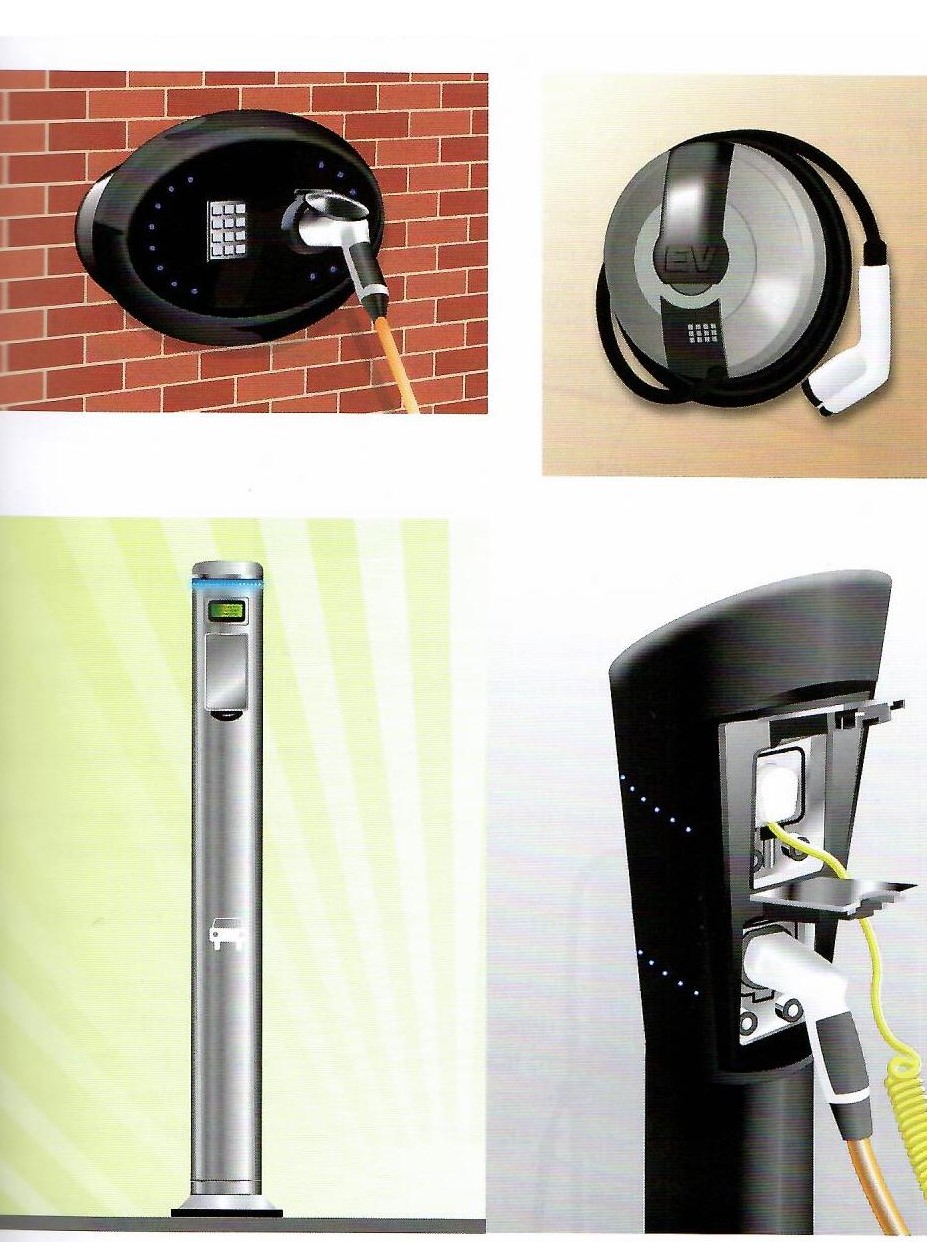
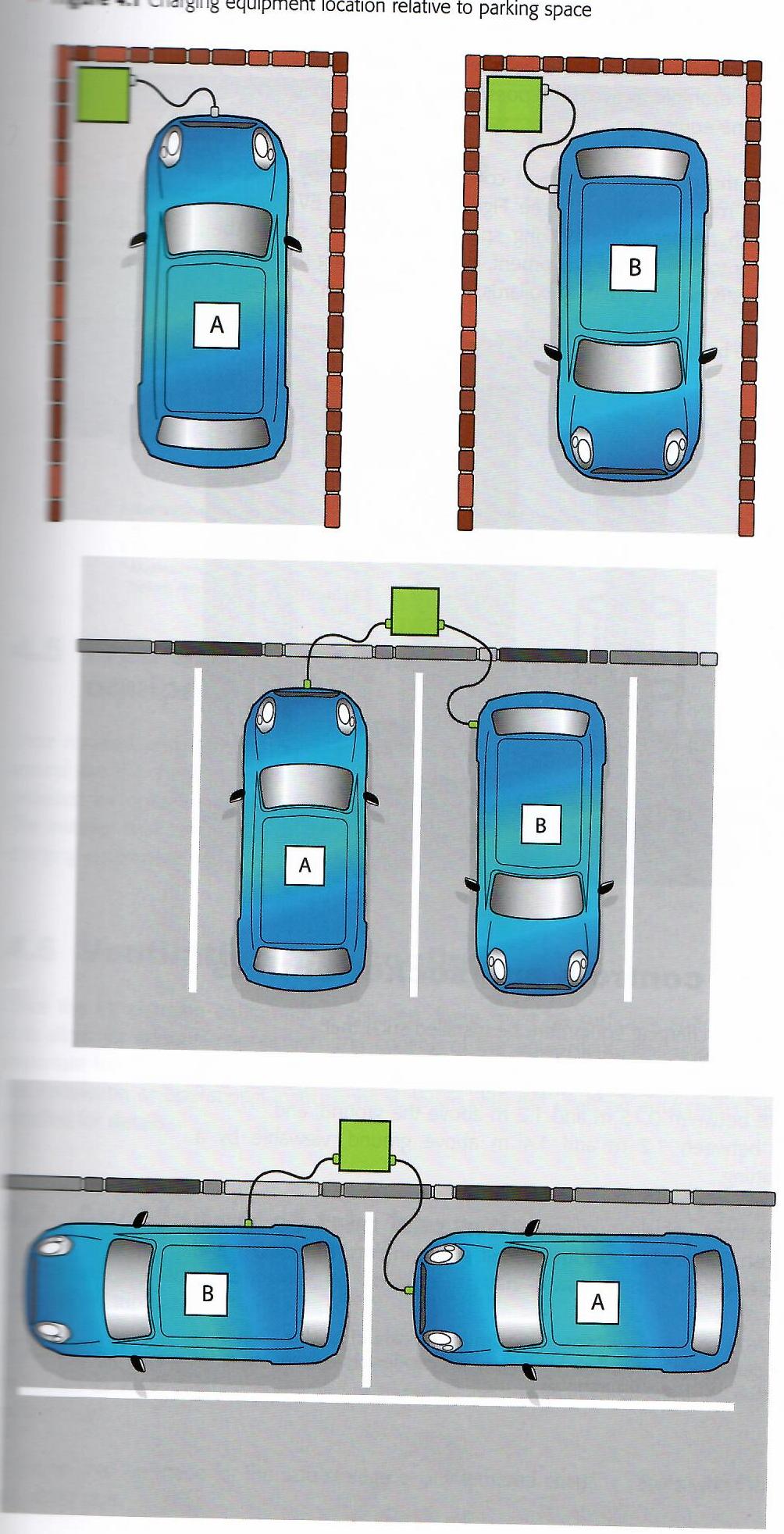
|
|